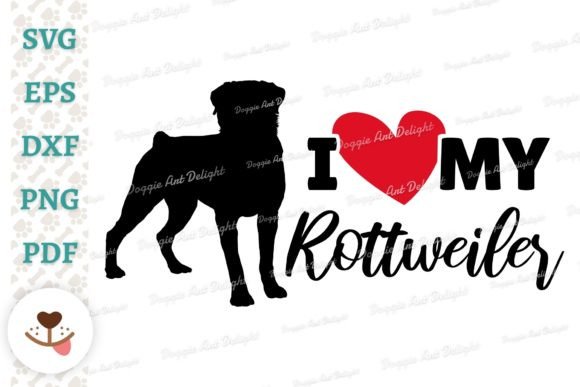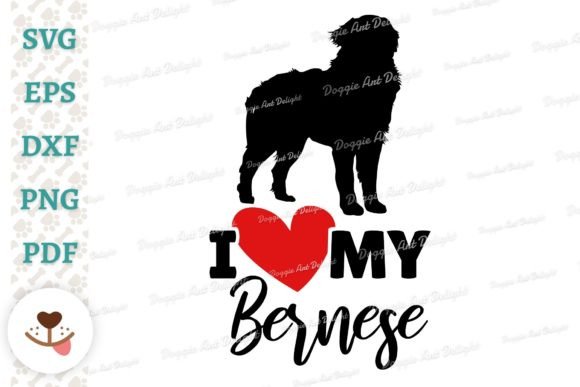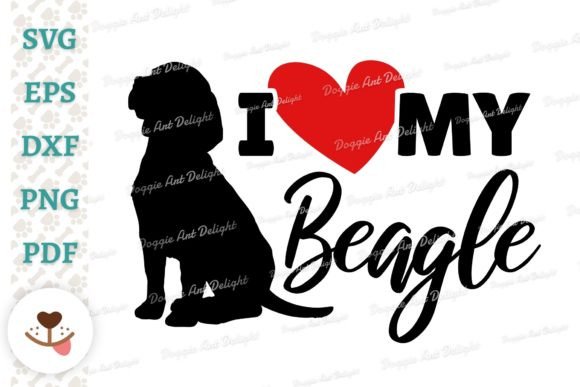
I Love My Amstaff Dog Lover Svg Png Dxf
When you work with machine embroidery designs day in and day out, you develop a kind of sixth sense for which ones will stitch out cleanly and which ones will give you headaches. I have been digitizing, editing, and stitching custom embroidery projects for over a decade, and I have learned to read a design file the way a tailor reads fabric grain. So when I first opened I Love My Amstaff Dog Lover Svg Png Dxf, I was curious to see how this breed-specific graphic would translate from a digital cutting file into a real embroidery project. Here is my honest, hands-on evaluation from the perspective of someone who has to deliver finished products that customers actually love and pay for.
First Impressions of This Breed-Specific Design
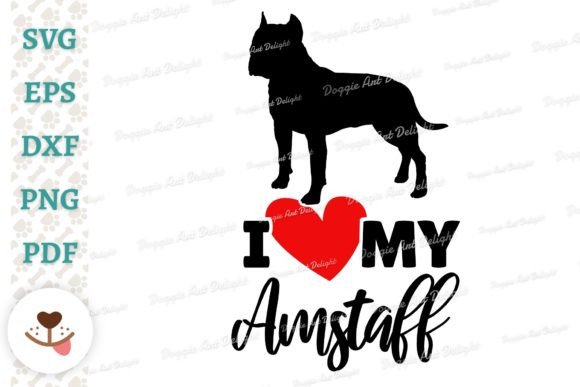
The first thing that struck me about I Love My Amstaff Dog Lover Svg Png Dxf is its confident, unapologetic personality. This is not a generic paw print or a vague dog silhouette. It is a design that clearly celebrates the American Staffordshire Terrier, and that specificity matters in the embroidery world. When you stitch out a breed-specific piece for a client, they are looking for something that feels personal and recognizable. The visual mood here is bold, affectionate, and proud. The layout is clean enough to read at a glance, which is exactly what you want when you are translating a design into thread.
Because this file comes as an SVG, PNG, and DXF, it is technically suited for a range of production methods. But for those of us working in machine embroidery, the key question is always how a design behaves once it is converted into stitch data. The shape language here is friendly and approachable, with enough detail to capture the character of the breed without becoming overly complex. That balance is hard to achieve, and from a designer standpoint, it is a promising starting point for custom apparel and handmade product applications.
This design naturally belongs on products that dog owners carry with pride. I immediately thought of embroidered patches for jackets, sweatshirt embroidery, and tote bag design projects. It has that giftable quality that works well for personalized gifts and small shop product lines. If you sell at craft fairs or run an Etsy seller shop, breed-specific designs like this one tend to attract exactly the kind of customer who is looking for something meaningful, not just decorative.
A Real-World Test: Embroidering a Custom Tote Bag
I decided to test I Love My Amstaff Dog Lover Svg Png Dxf in a real project scenario that many of you will recognize. A repeat customer asked me to create a custom tote bag for her sister, who owns two American Staffordshire Terriers. She wanted something sturdy, washable, and visually striking. I selected a midweight cotton canvas tote in natural cream, because I wanted the design to pop without fighting against a dark background.
After converting the SVG into an embroidery file using my digitizing software, I paid close attention to the stitch density and the overall pathing. The design’s outlines were clear enough that I could assign a satin stitch for the main borders and a light fill stitch for the body of the artwork. I used three thread colors: a deep charcoal for the outline, a warm red for the heart accent, and a soft cream for the inner details. The contrast was immediate and pleasing.
The tote bag stitched out in about 18 minutes in a medium hoop size. I used a tear-away stabilizer on the back of the canvas, and the fabric held up well with no puckering. The design read beautifully from across the room, and the recipient cried when she saw it. That is the kind of reaction you cannot fake with generic clip art. This design has emotional resonance, and that translates directly into customer trust and repeat business.
Where This Design Shines in Embroidery Projects
After stitching out the tote bag, I ran a few more tests to understand the full range of this design. Here is where I Love My Amstaff Dog Lover Svg Png Dxf performs best in my experience:
- Custom apparel: Sweatshirts, t-shirts, and hoodies are natural fits. The design sits well on the left chest or centered on the back. I tested it on a medium-weight sweatshirt and the stitching sat flat with no distortion.
- Embroidered patches: Because the shape is relatively contained, it makes a great iron-on or sew-on patch for jackets, backpacks, and hats. The bold outlines help it read clearly even at a small scale.
- Tote bags and aprons: The design is large enough to fill a pocket area on an apron or the front panel of a tote. It holds up well to repeated use if you use quality thread and proper stabilizer.
- Baby and kids items: For a toddler onesie or a child’s sweatshirt, the design can be scaled down without losing legibility. Just be cautious with stitch density on thin fabrics.
- Holiday and gift embroidery: This makes a thoughtful personalized gift for any Amstaff owner. I can see it working beautifully on a pillow cover, a tea towel, or a blanket for a dog-themed nursery.
- Digital product previews: Because the file comes in SVG and PNG formats, you can create printable mockups for your Etsy listings or craft business website without needing to stitch out every sample. That saves time and materials.
Where to Use Careful Judgment
No design is perfect for every surface, and I would be doing you a disservice if I pretended otherwise. Here are the situations where I recommend testing I Love My Amstaff Dog Lover Svg Png Dxf carefully before committing to a full production run:
- Small hoop sizes: If you are working with a 4x4 hoop, scaling the design down too much may cause fine details to blur. Test a small version on scrap fabric first to see if the running stitch outlines remain sharp.
- Stretchy or thin fabric: On lightweight knits or single-layer jersey, the fill stitch areas may cause pulling if the stabilizer is not robust enough. Use a cut-away stabilizer and consider a lightweight backing.
- Dark fabric backgrounds: The design relies on contrast between thread colors. If you stitch it on black or very dark navy, choose thread colors that stand out clearly. A white or silver outline can save the design on dark grounds.
- Curved surfaces like caps: This design has a compact shape, which helps on curved surfaces, but the stitch density needs to be adjusted for cap frames. Test on a practice cap before stitching for a client.
- Products that need frequent washing: If you are making kitchen towels or baby bibs, use high-quality polyester thread and a dense satin stitch for edges to prevent fraying after repeated wash cycles.
How This Design Affects Product Value and Customer Trust
In the handmade product world, the difference between a $25 item and a $45 item often comes down to design quality. I Love My Amstaff Dog Lover Svg Png Dxf has a professional, intentional look that elevates whatever you put it on. When a customer sees a breed-specific design that is well stitched, they immediately perceive higher value. They trust that you care about details. That trust translates into positive reviews, word-of-mouth referrals, and higher conversion rates in your Etsy shop or craft fair booth.
The design also supports brand consistency if you offer a line of dog-themed merchandise. You can use the same file across multiple product types, from embroidered patches to sweatshirt embroidery to printable mockups for your design assets library. That kind of cohesion makes your shop look established and reliable.
Practical Embroidery Notes Before You Stitch
If you decide to work with this design, here are the practical steps I recommend based on my testing:
- Test on scrap fabric first. Stitch out a sample on a fabric similar to your final product. Check for thread breaks, puckering, and detail clarity.
- Check thread color contrast. View the design in grayscale to see if the values separate clearly. If the heart and the text blend together, choose more distinct thread colors.
- Review stitch density. If your digitizing software shows density readings, make sure the fill stitch areas are not overly dense for your fabric type. Adjust if needed.
- Confirm your hoop size. The design fits comfortably in a medium hoop, but verify dimensions before cutting fabric. Nothing wastes time like a hoop change mid-project.
- Test in black and white mockups. Before stitching, create a grayscale preview to see how the design reads without color. This helps catch legibility issues early.
- Compare light and dark fabric backgrounds. Stitch one sample on light fabric and one on dark. You may discover that the design works better on one than the other.
- Use proper stabilizer. For most applications, a medium-weight cut-away stabilizer will give you the best results. On delicate fabrics, add a topper layer.
- Check licensing before selling. Because this file is provided by Doggie Art Delight Studio for graphic design purposes including printing, cutting, and engraving, confirm whether commercial use of the design in finished products is allowed. If you plan to sell the finished product or use the digital embroidery file as part of a commercial embroidery business, verify the license terms. If the license is not clear from the download page, contact the seller before you start production.
Final Thoughts for Designers and Shop Owners
I Love My Amstaff Dog Lover Svg Png Dxf is a design that earns its place in your project library if you serve dog owners who want something specific and heartfelt. It is not a mass-market generic shape. It is a niche piece that speaks directly to Amstaff lovers, and that emotional pull is exactly what drives sales in the Crafts and Graphics categories. When you stitch it onto a handmade product, you are not just adding decoration. You are telling a customer that you see them and their dog. That is the kind of design work that builds a loyal following.
My advice is to test it on a few different substrates, dial in your thread palette, and then confidently offer it to your clients. Whether you are a seasoned apparel decorator or a creative entrepreneur just starting your small business, this design has the potential to become a steady performer in your lineup. As always, stitch a sample first, trust your stabilizer, and never underestimate the power of a well-executed breed-specific design.