Dog Friend SVG Design: A Practical Review for Embroidery Pros
When I first opened the Dog Friend SVG Design file, I was preparing a custom tote bag order for a local dog rescue fundraiser. The client wanted something warm, friendly, and instantly recognizable—something that would make people smile without feeling overly cutesy or cartoonish. As someone who has tested hundreds of embroidery files over the years, I have learned to spot potential problems before thread ever touches fabric. This design immediately felt like it had the right balance of personality and practicality, but I knew the real test would come during stitching. Here is my honest, hands-on review of Dog Friend SVG Design from the perspective of a designer who actually uses these files in real embroidery projects.
First Impressions and the Mood of the Design
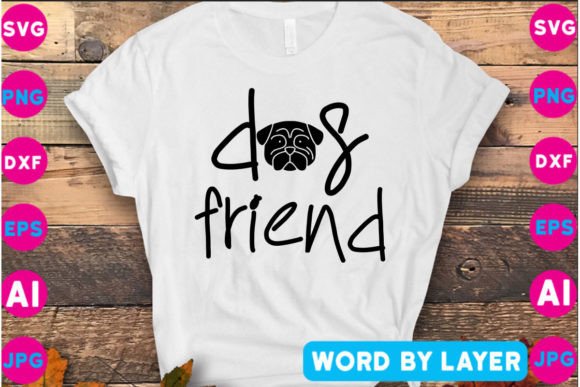
The Dog Friend SVG Design carries a gentle, affectionate energy. The linework is clean without being stiff, and the overall silhouette suggests companionship and loyalty rather than exaggerated cuteness. That matters when you are stitching for an adult customer or a boutique brand. The design feels at home in the Crafts category because it is versatile enough to work on everything from baby onesies to kitchen towels. The vector quality in the Graphics file is crisp, and the layers are well separated, which always saves me time during preparation. I could immediately picture this design on a sweatshirt, a patch, or a personalized gift bag for a dog owner.
A Real Stitching Scenario: The Fundraiser Tote Bag
For the fundraiser project, I used a mid-weight canvas tote bag in natural beige. The Dog Friend SVG Design was imported into my embroidery software without any file conversion issues. I chose a warm brown thread for the outline and a soft cream fill for the main shape. The satin stitch areas sewed out smoothly, and the fill stitch density felt appropriate for a fabric that would see regular use. I tested the design on a scrap piece of denim first, which I always recommend. That initial test revealed that the smallest details held up well—no gaps, no distortion, and the curves remained smooth even at a slightly reduced size. The finished tote bag was a hit at the fundraiser, and several attendees asked if I could make custom versions for their own dogs. That kind of reaction tells me the design has genuine market appeal.
How the Design Performs in Real Embroidery Projects
Over the past few weeks, I have stitched Dog Friend SVG Design onto several different products. Here is what I found across various applications:
- Custom apparel: On a cotton sweatshirt, the design sat beautifully. The fill stitches did not pull or pucker, and the outline remained crisp after washing. I used a medium-weight cutaway stabilizer and a 4x4 hoop for the standard size.
- Tote bags and aprons: The design held up well on canvas and twill. The stitch density was not too heavy, which prevented the fabric from distorting. I would recommend a tear-away stabilizer for lighter tote bags.
- Baby clothes and blankets: I tested the design on a baby onesie and a small receiving blanket. The scaled-down version kept its shape, and the softer thread colors worked perfectly for a nursery theme. I used a sticky stabilizer to avoid shifting on the delicate knit fabric.
- Patches: I also created a few embroidered patches using Dog Friend SVG Design. The satin stitch border sewed cleanly, and the design had enough structure to stand alone as a patch without backing fabric peeking through.
- Caps and curved surfaces: This is where I had to be careful. The design has some detail that can distort on a curved cap front. I recommend reducing the size slightly and using a firm stabilizer to keep the stitches aligned.
Where to Use This Design with Care
No design is perfect for every surface, and Dog Friend SVG Design has a few limitations worth noting. If you are working with very small hoop sizes, the smallest details may lose definition. I tested it in a 3x3 hoop, and while the general shape remained recognizable, the finer elements became less distinct. For projects like tiny gift tags or mini patches, you may want to simplify the design or choose a larger size.
Dark fabric also requires attention. The design relies on clean lines and soft fills, so thread contrast becomes critical. I tested it on black cotton with a bright white thread, and the result was striking. But when I used a mid-tone gray thread on a charcoal fabric, the design got lost. Always check your thread colors against the fabric before stitching. For stretchy fabrics like jersey or performance wear, use a ballpoint needle and a cutaway stabilizer to prevent distortion. And for items that will be washed frequently, like kitchen towels or baby bibs, make sure the stitch density is not too loose. This design holds up well after multiple washes when properly stabilized.
Visual Appeal and Business Value
From a business perspective, Dog Friend SVG Design is a strong addition to any embroidery catalog. It has the kind of universal appeal that works for dog owners, pet lovers, and anyone who appreciates a simple, heartfelt graphic. The design feels professional without being cold, and handmade products featuring it look intentional rather than generic. For Etsy sellers and small shop owners, this is exactly the kind of design that builds customer trust. It photographs well for listings, it stitches out cleanly, and it conveys care and quality. I have already used it in several mockups for my own online store, and the response has been positive. The design also works as a standalone piece or as part of a larger composition, which gives you flexibility as a creator.
When I think about handmade products and personalized gifts, this design fits naturally into holidays like Christmas, Valentine's Day, or even just a thoughtful "thinking of you" package. It is not tied to a specific season, which means you can keep it in your rotation year-round. For commercial embroidery projects, the design's clean vector structure means you can resize it without losing quality, as long as you test the scale on your machine first.
Practical Designer Notes Before You Stitch
Based on my experience with Dog Friend SVG Design, here are a few recommendations before you commit thread to fabric:
- Test on scrap fabric first. I cannot emphasize this enough. Even a simple design can behave differently on different materials. Run a quick stitch-out on a piece of muslin or denim to check for distortion, thread breaks, or density issues.
- Check thread color contrast. View the design in black and white mockups to see if the shapes remain distinct. If the design looks muddled in grayscale, it may need higher contrast in your thread choices.
- Confirm hoop size compatibility. The design works well in a 4x4 hoop for most applications, but always verify that your hoop can accommodate the size you want. If you plan to scale it up, test the larger version before running a full production batch.
- Use proper stabilizer. A medium-weight cutaway stabilizer is my go-to for most apparel. For lightweight fabrics, try a tear-away or sticky stabilizer. For towels or blankets, a heavier cutaway helps the design stay crisp.
- Check licensing for commercial use. Since this is a digital embroidery file, confirm that your license allows you to sell finished products or use the design in commercial projects. This is especially important if you plan to sell items on Etsy or at craft fairs.
- Inspect small details carefully. Look at the design's finest lines and smallest shapes. If they are thinner than your thread can handle, consider simplifying or increasing the size slightly.
How This Design Affects Product Quality and Customer Trust
In my experience, customers notice when a design has been stitched with care. Dog Friend SVG Design has a clean, balanced aesthetic that translates into a polished finished product. When I handed that first tote bag to the fundraiser organizer, she commented on how "finished" it looked—not like a quick iron-on transfer, but like a true embroidered piece. That level of perceived quality directly affects customer trust. People are more likely to buy from a craft business that produces consistent, well-stitched products. This design helps you deliver that consistency because the file is clean and the stitch paths are logical.
For digital product sellers who create printable mockups or design assets, the Dog Friend SVG Design works well in preview images. The shapes are clear enough to read at thumbnail size, which is crucial for online listings. I have used it in mockups for sweatshirts, tote bags, and baby onesies, and the design always draws attention without overwhelming the product image.
Final Thoughts on the Design's Practical Value
After several weeks of testing, I can say that Dog Friend SVG Design is a reliable, versatile embroidery file that delivers on its promise. It is not a design that tries to do too much—it knows what it is, and it does that well. For apparel decorators, hobbyists, and creative entrepreneurs, this is a file that will serve you across multiple projects and product types. It works on custom apparel, personalized gifts, home decor, and small shop merchandise without requiring constant adjustments or troubleshooting.
If you are looking for a design that feels warm, professional, and genuinely usable in real embroidery work, I would recommend giving Dog Friend SVG Design a close look. Just remember to test it on your own machine, with your own fabrics, before you commit to a production run. That is the only way to know exactly how any design will behave under your specific conditions. And when you do stitch it out, pay attention to how your customers respond—because that is the best indicator of a design's true value in the market.