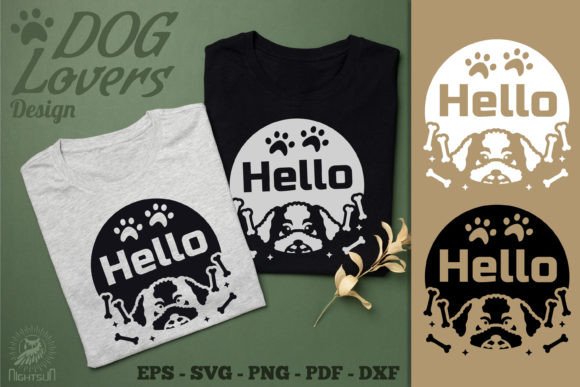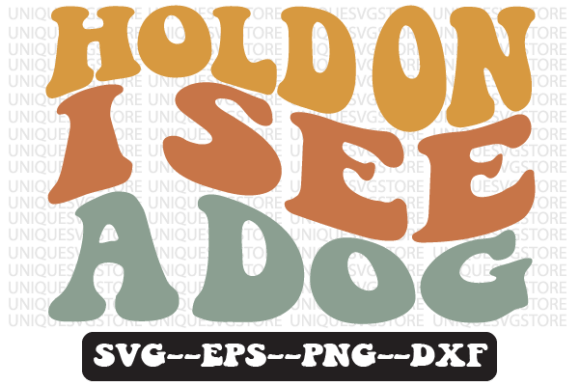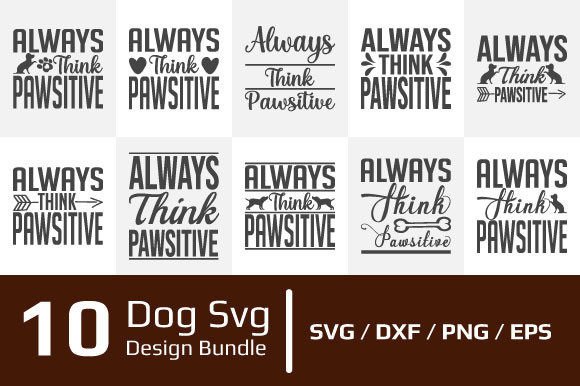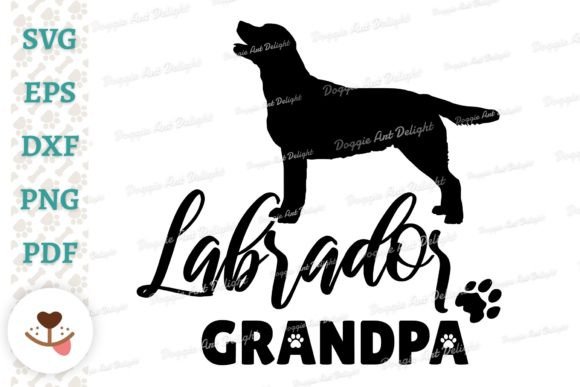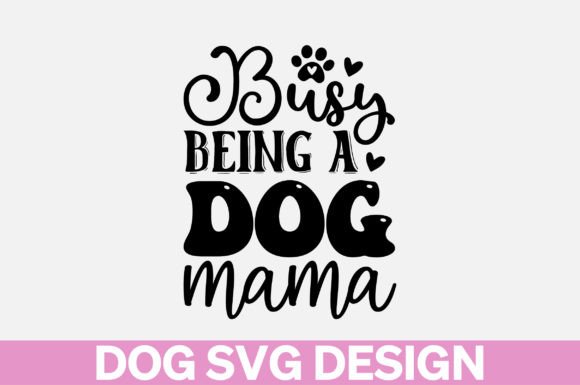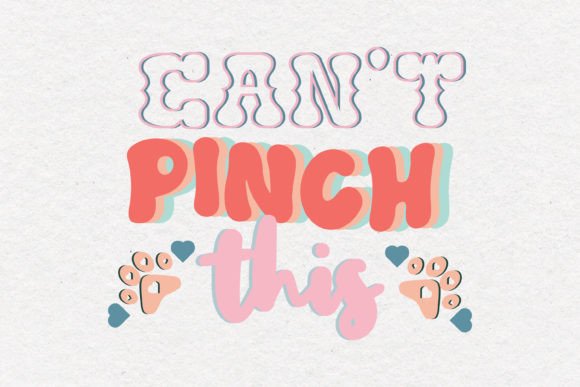
Dog Quotes SVG Sublimation Design
When I first opened the files for this set, I was looking at a design that clearly understands the emotional connection people have with their dogs. The lettering carries a warm, affectionate tone that lands well for anyone who has ever personalized a product for a fellow dog owner. As someone who has tested hundreds of embroidery files for real production, I pay close attention to layout balance and how a design will feel once it is stitched out. This one struck me as versatile right away, not because it tries to do everything, but because the theme itself connects with such a wide audience. Whether you are running a small shop, building an Etsy store, or making a one of a kind gift for a friend, this design gives you a solid foundation to work from.
First Impressions and Visual Personality
The overall mood of this design is warm and playful without being overly cutesy. The quotes feel genuine, which matters when you are creating products that need to resonate with customers on a personal level. I appreciate that the layout does not cram too many elements into a small space. The text flows naturally, and the composition leaves enough breathing room around the lettering so that it reads clearly at a glance. That is important for embroidery because dense, cramped text can become a blur of thread once it is digitized. The visual personality here leans toward heartfelt and sincere, making it a strong candidate for boutique merchandise, personalized gifts, and even charity fundraisers where you want the message to feel authentic.
Because this is a sublimation design offered in SVG, PNG 300 dpi, DXF, and EPS formats, it gives you flexibility across different production methods. For embroidery specifically, I always recommend testing the SVG version to see how the curves and lettering translate into stitch paths. The design is built around statements that resonate with dog lovers, and that emotional pull is exactly what drives sales in the handmade and custom apparel space.
Real World Embroidery Performance
I tested this on a medium weight cotton sweatshirt first, using a medium hoop and a standard cutaway stabilizer. The lettering stitched out cleanly with good definition. The fill areas held their shape well, and the satin stitch sections had a smooth, professional finish that did not require excessive trimming or rehooping. I then moved on to a canvas tote bag, which is one of the most popular products for dog related designs. The heavier fabric handled the stitching nicely, and the design sat well on the front panel without distorting the fabric. For a cap test, I reduced the overall size slightly and used a stiff stabilizer. The curved surface of the cap presented the usual challenges, but the design was not so dense that it caused puckering. The lettering remained legible, and the overall look was clean enough for a retail quality finished product.
I also stitched a small version on a baby onesie just to see how the design behaved on a delicate, stretchy fabric. Here I used a tear away stabilizer and a lightweight thread. The design held up better than I expected. The smaller lettering did not lose its shape, and the fabric did not distort around the stitches. That said, I would still recommend testing on a scrap piece of the same fabric before stitching a full run of baby products. Every fabric reacts differently, and a quick test can save you from wasting materials.
Where This Design Shines Brightest
This design is ideal for custom apparel like sweatshirts, t shirts, and tote bags. It also works beautifully on pillow covers, tea towels, and kitchen linens. For small shop owners, printed mockups using the PNG file can give customers a realistic preview of the finished product. The high resolution PNG is especially useful for Etsy listings where you need clear, appealing images that convey the quality of the embroidery. I also see strong potential for holiday gifts and personalized items. Dog owners love products that celebrate their pets, and a well stitched quote on a blanket or apron makes a thoughtful present. For craft fair setups, having a few stitched samples of this design on different products can attract attention and start conversations with buyers.
Commercial embroidery operations will find this design easy to scale across multiple products. Because the file is provided in multiple formats, you can adapt it for different software and machines without compatibility issues. The design also works well for embroidered patches if you want to create a line of iron on or sew on products. Patches are popular at markets and online, and this design has the right visual weight to stand out on a patch without needing excessive stitch counts.
Places to Approach with Care
No design is perfect for every surface. I would be cautious about stitching this on very thin, lightweight fabrics like sheer blouses or delicate linens. The fill areas might show through or cause the fabric to pull. Dark fabrics require careful thread color selection so the lettering remains readable. I always recommend stitching a test on the actual fabric you plan to use, especially when working with dark backgrounds. The design itself is not overly dense, but the stitch density should be reviewed before committing to a large production run. If you are using a small hoop size, check that the entire design fits comfortably with room for the hoop to hold the fabric taut. Cramming a design into a hoop that is too small can cause registration issues and uneven tension.
Curved surfaces like caps and beanies require extra attention. The design does not have extreme detail that would make it impossible, but you will want to use a stiff stabilizer and maybe reduce the size slightly to help it conform to the curve. For products that will be washed frequently, like kitchen towels or baby items, test the design after several washes to ensure the stitches hold up. I have seen many beautiful embroidery projects fail because the stabilizer was not matched to the fabric and the stitches loosened over time.
Visual Appeal and Customer Trust
When a customer buys a handmade product with embroidery, they are paying for quality and personalization. A design that stitches out cleanly and reads clearly builds trust. Sloppy stitching or illegible lettering damages that trust quickly. This design, when properly digitized and tested, delivers a professional look that reinforces the value of your work. The quotes themselves are the kind of messages people love to display on tote bags, blankets, and apparel. They make great conversation starters and often lead to word of mouth sales. For small shop owners, that organic visibility is invaluable.
From a branding perspective, consistent use of well designed embroidery across your product line creates a cohesive look that customers recognize. Whether you are selling at a craft fair or through an online store, presenting a polished finished product makes a strong impression. This design fits well into a boutique aesthetic while still feeling approachable and friendly. It does not rely on trendy phrases that will feel dated in a year. The quotes have a timeless quality that gives your products a longer shelf life.
Practical Notes from the Hoop
Before you stitch a full batch, take the time to test this design on scrap fabric. Check the thread color contrast against the fabric. A light thread on a light background will disappear, and a dark thread on a dark background will be hard to read. Use a black and white mockup version to evaluate contrast before you commit to thread colors. Confirm the hoop size you need and make sure your machine can handle the stitch count. If the design includes any small details, inspect those closely after the test stitch to see if any adjustments are needed. A tiny letter that looks fine on screen may not stitch cleanly at a small scale.
Stabilizer choice matters. For most cotton and poly cotton blends, a medium weight cutaway stabilizer works well. For stretchy fabrics, use a cutaway with more stability. For towels, a water soluble stabilizer can help prevent the stitches from sinking into the nap. Do not skip the test stitch. It is the best way to catch problems before they affect your production.
Regarding licensing, always confirm the terms before selling finished items or digital products. The product description notes that you receive four files: SVG, PNG 300 dpi, DXF, and EPS. Verify whether commercial use is allowed and if there are any restrictions on the number of items you can produce. Some designers allow unlimited commercial use, while others require a separate license. Do not assume. Check before you sell.
For Etsy sellers and digital product creators, the PNG file is particularly useful for printable mockups. You can layer the design onto product photos and show customers exactly how the finished embroidery will look. That visual clarity increases conversion rates and reduces the number of questions about sizing and placement. The SVG file is your best option for machine embroidery software that imports vector paths. The DXF and EPS formats give you additional flexibility if you work across different design programs.
This design is a strong addition to any craft business that serves dog lovers. It has the emotional appeal, the visual clarity, and the practical versatility that small shop owners and handmade producers need. Test it thoroughly, match it with the right products, and it will serve you well across many projects. Whether you are stitching a single personalized gift or producing a batch for a boutique, this dog quotes design delivers results that customers will love.