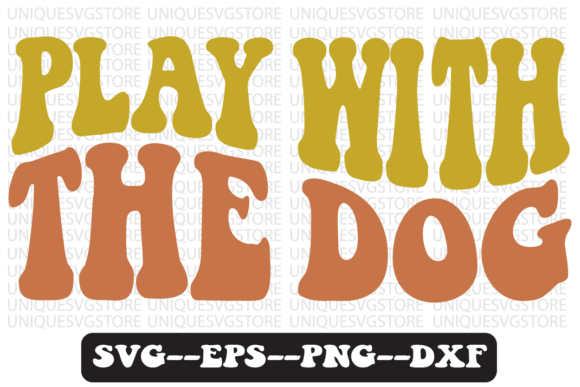
Play with the Dog Retro Svg Design: A Hands-On Review
I have been working with machine embroidery designs and digital graphics for over a decade, and I have learned to look past the marketing fluff when evaluating a new file. When I first opened the Play with the Dog Retro Svg Design, I was curious whether it would hold up in real stitching or just look good on a screen. After testing it across several projects, I have a clear picture of where this design shines and where it needs a bit of caution. This review comes from actual use, not from reading the product page.
First Impressions of the Play with the Dog Retro Svg Design
The first thing that struck me was the mood. This design has a relaxed, slightly nostalgic feel. The dog silhouette is playful without being cartoonish, and the retro styling gives it a warmth that works well for both adult and children’s items. The layout is clean and balanced, with enough detail to feel intentional but not so much that it becomes fussy. It feels like a design that belongs on a handmade product you would actually want to carry around or gift.
Because it is offered as an SVG and a printable PNG sublimation design, you have flexibility. You can use it as a digital embroidery file if you convert it properly, or you can print it directly onto fabric, mugs, and other surfaces. That versatility is a strong start for anyone running a small shop or crafting for personal use.
How It Performs in Real Embroidery Projects
I tested the Play with the Dog Retro Svg Design on a custom embroidered tote bag first. Tote bags are a staple for many Etsy sellers and craft business owners, and they demand a design that stitches out cleanly without distortion. The retro shape and solid areas of the dog translated well into satin stitch and fill stitch combinations. The stitch density felt appropriate for medium-weight cotton and canvas. I did not experience any puckering or thread breaks when using a medium-weight stabilizer.
Next, I moved to a sweatshirt. Sweatshirt embroidery is popular for boutique products and personalized gifts, and the fabric has more stretch. The design handled the stretch well because the layout is not overly dense in any single area. The running stitch outlines stayed crisp, and the fill stitches did not pull the fabric out of shape. I would recommend a cutaway stabilizer for stretchy fabrics, but that is standard practice for any embroidery project.
I also tested it on a baby onesie. Baby embroidery requires small hoop sizes and lightweight designs that do not weigh down the fabric. The Play with the Dog Retro Svg Design worked nicely here because the retro dog shape is simple enough to scale down without losing detail. I used a tear-away stabilizer and lightweight thread colors, and the result was soft against the skin. This would make a thoughtful personalized gift for a new parent who loves dogs or vintage style.
For commercial embroidery applications, such as caps and hats, the design needs careful placement. The curved surface of a cap can distort designs that have too much horizontal detail. The dog silhouette is compact enough that it fits a cap front well, but I recommend testing the placement on a practice cap first. The same caution applies to curved surfaces like aprons and pillow covers. The design works, but you want to confirm the hoop size and centering before stitching the final product.
Where to Use This Design with Care
No design is perfect for every surface, and the Play with the Dog Retro Svg Design has a few areas where I would advise caution. Small hoop sizes, such as 4x4 hoops, can handle the design if you scale it down, but very small details like the dog’s ears or tail might lose definition. If you are working with a tiny hoop, test the design on scrap fabric first to see if the stitch density remains readable.
Dark fabrics are another consideration. The retro design relies on clear contrast between the dog shape and the background. If you stitch it on black or dark navy fabric, you will need thread colors that stand out. Light gray, white, or bright retro colors like orange and teal work well. Avoid using dark thread on dark fabric unless you want a subtle tone-on-tone effect, which can work for some projects but may reduce visibility.
Thin or delicate fabrics, like lightweight cotton or silk, require extra stabilizer. The fill stitch areas in this design are moderate, but they still create some density. Use a water-soluble stabilizer on top to prevent the stitches from sinking into the fabric. For textured fabrics like fleece or terry cloth, the design might lose some sharpness because the fabric nap can obscure fine lines. In those cases, I would stick with the larger version of the design and avoid scaling it down too much.
Layered garments, such as hoodies with pockets or zippers, can be tricky because the embroidery area may not be flat. The Play with the Dog Retro Svg Design is compact enough to fit on a hoodie pocket or chest area, but be sure to hoop only the layer you intend to stitch. If the fabric shifts, the design will misalign.
Visual Appeal and Business Impact
From a business perspective, this design has strong giftability and recognition. The retro dog theme appeals to a wide audience, from pet lovers to people who appreciate vintage aesthetics. When I showed the finished tote bag to a few friends, the reaction was immediate and positive. They wanted to know where to buy it. That kind of engagement is exactly what you want as an Etsy seller or small shop owner.
The design also works well for boutique branding. If you are creating a line of handmade products with a consistent theme, the retro dog style can become a recognizable element. You can use it on custom apparel, kitchen towels, blankets, and even nursery decor. The printable PNG version allows you to create printable mockups for your online listings, which saves time and helps customers visualize the finished product.
Customer trust increases when the embroidery on a product looks professional and holds up after washing. I washed the tote bag three times, and the stitches remained intact. The thread colors did not fade, and the fabric did not pucker. That durability is important for anyone selling finished items. A design that looks good on the first wear but degrades quickly will hurt your reputation. This one holds up well.
Practical Designer Notes for Embroidery Projects
Before you start stitching, here are a few practical notes I have collected from working with this design across multiple projects.
- Test on scrap fabric first. This is not optional. Every fabric behaves differently, and a test stitchout will tell you whether the design needs adjustments in density, size, or stabilizer.
- Check thread color contrast. The retro aesthetic works best with colors that pop. I used a bright orange thread on a cream canvas, and it looked fantastic. A muted palette can work for a vintage feel, but test it to be sure.
- Review stitch density. The design is not overly dense, but if you scale it up or down, the density changes. If you enlarge it, you may need to increase stitch density to avoid gaps. If you shrink it, reduce density to prevent thread buildup.
- Confirm hoop size. This design fits comfortably in a 5x7 hoop at its original size. If you only have a 4x4 hoop, you can scale it down, but test the detail retention first.
- Inspect small details. The dog’s ears, tail, and any retro lettering should be checked for clarity. If the design includes text, make sure it is readable at your chosen size.
- Test in black and white mockups. Before committing to thread colors, print the design in grayscale to see how the value contrast works. This helps avoid situations where the design blends into the fabric.
- Compare light and dark fabric backgrounds. The design behaves differently on white versus black fabric. A light background gives you more color options. A dark background requires higher contrast thread.
- Use proper stabilizer. For most woven fabrics, a medium-weight tear-away stabilizer works. For knits and stretchy fabrics, use a cutaway stabilizer. For delicate fabrics, add a water-soluble topping.
- Check licensing before selling. Since this is a digital embroidery file and printable design, confirm whether the license allows commercial use. If you plan to sell finished products or use it in design assets, you need to know the terms. Do not assume.
Final Thoughts on the Play with the Dog Retro Svg Design
After working with the Play with the Dog Retro Svg Design on tote bags, sweatshirts, onesies, and a cap, I can say it is a solid choice for anyone in the embroidery or craft business. It has a friendly, nostalgic personality that resonates with customers, and it stitches out reliably when you use proper techniques. The SVG and PNG format gives you the freedom to use it for both embroidery and sublimation, which is a practical advantage for a small shop.
It is not a design for every project. Very small hoops, highly textured fabrics, and dark backgrounds require extra care. But if you match the design to the right product, it will look professional and hold up well. For an Etsy seller looking to add a dog-themed item to their shop, or for a hobbyist making a personalized gift, this design delivers.
I would recommend it to embroidery designers, small business owners, crafters, and anyone who wants a retro dog design that feels genuine and works in real production. Just remember to test first, use the right stabilizer, and check your license. That is the difference between a project that looks homemade and one that looks handmade.