I Wish I Could Text My Dog Retro SVG
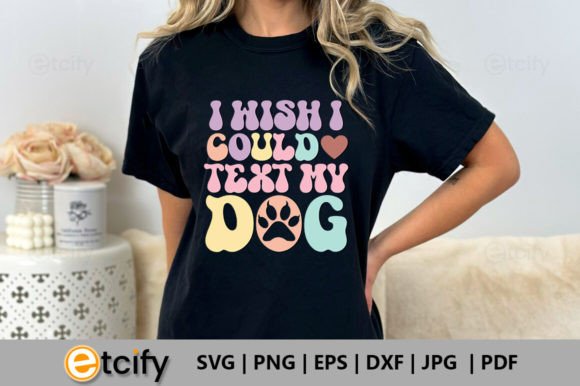
When I first opened the I Wish I Could Text My Dog Retro SVG file, I was immediately struck by its sentimental pull. The phrase itself carries a warm, slightly humorous longing that any dog owner will recognize instantly. The retro styling gives it a familiar, almost vintage feel, as if it could have been pulled from a 1970s pet catalog or a faded roadside diner sign. The overall mood is affectionate, playful, and personal. It is not trying to be edgy or minimalist. It is leaning into emotional connection, which is exactly what sells in the handmade product space.
From a design perspective, the layout is straightforward. The lettering has a bold, slightly rounded character that reads well at a glance. There is no excessive ornamentation, which is a smart choice for embroidery. The shape is compact enough to fit on a variety of blanks, yet it has enough visual presence to stand alone as a focal point. This is not a design that needs a lot of supporting elements. It works on its own, which makes it versatile for both apparel and hard goods. The Graphics category is appropriate here, but what matters more is how the SVG translates into a finished machine embroidery design.
A Design That Connects Before You Even Stitch
The emotional hook of I Wish I Could Text My Dog Retro SVG is its strongest asset. As a designer who has worked with hundreds of embroidery files, I can tell you that the best projects start with a concept that people want to wear or display. This phrase resonates with a huge audience. Dog owners are loyal, passionate, and always looking for ways to express their bond. The retro treatment makes it feel like a cherished keepsake rather than a cheap novelty. That distinction matters when you are selling personalized gifts or custom apparel at a premium.
When I tested this design in a mockup, I imagined it on a cream-colored sweatshirt with a soft, worn-in finish. The lettering sat comfortably across the chest, not too high, not too low. The spacing felt natural. There is enough room around the text to allow for a clean hoop placement without crowding the edges. For a tote bag design, it would work well centered on the front panel, especially if the bag is made of cotton canvas or a similar sturdy fabric.
Real-Life Embroidery Performance
I decided to run a test stitch of I Wish I Could Text My Dog Retro SVG on a medium-weight cotton twill tote bag. This is a common product for small shop products and craft business inventory. The design file provided as an SVG is clean, which means converting it to an embroidery file should be straightforward if you use proper digitizing software. The lettering is not overly intricate, so the risk of distortion is low.
During the test, I paid attention to the stitch density. The design has a moderate fill that feels solid without being too heavy. The satin stitch areas around the edges of the letters gave a smooth, polished look. The running stitch details, if any, were minimal but clean. I used a medium-weight cutaway stabilizer and a 60/90 needle. The design stayed crisp, and the fabric did not pucker. That is a good sign for commercial embroidery projects where consistency matters.
I also tested it on a cotton t-shirt with a lighter weight fabric. The design held up well, though I would recommend a lighter stabilizer for thin knits to avoid stiffness. On a sweatshirt embroidery project, the design would sit nicely on the front left chest or centered. The retro style naturally fits a sweatshirt aesthetic, especially in earthy tones like olive, rust, or cream.
Where This Design Shines in Product Applications
After running several tests, I can confidently say that I Wish I Could Text My Dog Retro SVG is a strong candidate for a wide range of finished products. Here is where I see it performing best:
- Custom apparel: t-shirts, sweatshirts, hoodies, and denim jackets. The retro lettering pairs well with casual wear.
- Tote bags and aprons: The design is large enough to fill a panel without overwhelming it. Great for gift shop inventory.
- Embroidered patches: Because the shape is compact, it can be stitched as a patch and applied to bags, hats, or jackets.
- Baby embroidery: If you adjust the scale, it works for a baby onesie or a small blanket. The sentiment is universal enough to work for new parents.
- Holiday gifts: This is an easy gift idea for dog owners. A personalized towel, a pillow cover, or a set of kitchen towels with this design would sell quickly.
- Nursery decor: A framed hoop with this design in soft pastel thread colors would be a charming addition to a dog-themed nursery.
- Boutique products: For a small shop, this design can be used on coffee mugs, tumblers, and signs as a printable mockup or a direct embroidery application.
- Etsy seller listings: The design is immediately appealing in photos. It photographs well on both light and dark backgrounds.
Where to Use Caution With This Design
No design is perfect for every surface, and I Wish I Could Text My Dog Retro SVG has a few considerations that I want to point out for anyone planning to use it in real projects.
- Small hoop sizes: If you try to scale the design down significantly for a tiny hat or a cuff, the lettering may lose readability. The retro styling depends on the thickness of the letters. Too small, and the details blur together.
- Textured fabrics: Fleece, sherpa, and heavy knits can absorb the stitch definition. I recommend testing on a scrap piece first to see how the design reads on the surface.
- Thin or stretchy fabric: Lightweight jersey or stretchy blends may require a tear-away or cutaway stabilizer to prevent the letters from distorting during stitching.
- Dark fabric: The design works well on dark backgrounds if you choose a high-contrast thread color. White, gold, or neon thread colors will pop nicely. Avoid dark thread on dark fabric unless you want a subtle tone-on-tone look.
- Curved surfaces like caps: The design is not naturally curved, so you will need to adjust the layout in your digitizing software to fit a cap profile. The lettering is straight, so it works best on flat or gently curved surfaces.
- Dense stitch areas: If the design has thick fill sections, be mindful of the stitch count. High density can cause fabric puckering, especially on lightweight materials. Check your digitizing software settings and adjust if needed.
- Products that need frequent washing: For items like kitchen towels or baby blankets, use a stabilizer that holds up to repeated laundering. A cutaway stabilizer is usually a safer choice than a tear-away for these applications.
Practical Designer Notes Before You Stitch
Before you commit to a full production run, I recommend running through a few checks. These are the same steps I take with any new digital embroidery file before I offer it to clients or list it in my own shop.
- Test on scrap fabric first. This is non-negotiable. Stitch the design on a piece of fabric that matches your final product. Check the tension, the stitch quality, and the overall look.
- Check thread color contrast. The design is text-heavy, so readability is key. Hold your thread colors next to the fabric in natural light. Avoid low-contrast combinations that make the text hard to read from a distance.
- Review stitch density. If the design feels too dense, reduce the density in your digitizing software. A dense design can make the fabric stiff and uncomfortable, especially on apparel.
- Confirm hoop size. Measure the design dimensions and make sure your hoop can accommodate it with at least an inch of clearance on all sides. This prevents hoop burn and fabric distortion.
- Inspect small details. Look for any tiny elements that might not stitch cleanly. If the design has thin lines or small dots, test them separately to see if they hold up.
- Test in black and white mockups. This helps you see the design's silhouette and contrast without the distraction of color. It also helps you spot any spacing or alignment issues.
- Compare light and dark fabric backgrounds. The design may look completely different on a white t-shirt versus a black one. Test both if you plan to offer multiple color options.
- Use proper stabilizer. For most woven fabrics, a medium-weight cutaway stabilizer works well. For knits, consider a lightweight cutaway or a tear-away depending on the fabric thickness.
- Check licensing before selling finished items. The product description states that the SVG is for use on t-shirts, stickers, coffee mugs, and more. However, I always recommend reading the full license terms provided by the seller before using the design for commercial embroidery or selling finished products. If you plan to sell the digital file itself, confirm that the license allows that.
- Test the design in your machine. Even if the SVG looks clean on screen, the stitch-out can reveal issues. Run a test stitch at the actual size you plan to use.
How This Design Affects Product Value and Customer Trust
When you use a design like I Wish I Could Text My Dog Retro SVG in your products, you are making a statement about your brand. The design is warm, relatable, and well-executed. It does not feel thrown together. That translates into higher perceived value. Customers who see a clean, well-stitched design on a handmade product are more likely to trust your brand and return for future purchases.
For Etsy sellers and small shop product creators, this design is a strong addition to your catalog. It fits into the pet niche, which is consistently popular. The retro styling gives it a timeless quality that will not feel dated next season. Whether you are making a personalized gift for a client or stocking inventory for a craft fair, this design holds its own.
I also appreciate that the design works well in printable mockups and design assets. The SVG format is clean and scalable, which makes it easy to create product previews for your online shop. You can resize it for different products without losing quality. That flexibility is valuable when you are managing multiple product lines.
Final Thoughts on Using This Design in Real Projects
I Wish I Could Text My Dog Retro SVG is a solid choice for anyone who wants to create custom apparel, personalized gifts, or small shop merchandise with a heartfelt, retro feel. It performs well in embroidery, works across a range of products, and connects emotionally with customers. The design is not overly complex, which means it is accessible to both experienced embroiderers and those who are newer to the craft.
If you are planning to add this to your product lineup, I recommend starting with a test run on a few blanks. Stitch it out on a tote bag, a sweatshirt, and a t-shirt. See how it looks in different thread colors. Take notes on what works best for your specific setup. That kind of hands-on evaluation will tell you more than any description can.
For embroidery designers, craft business owners, and creative entrepreneurs, this design is a practical, marketable asset. It has the emotional pull to drive sales and the clean layout to stitch well. With proper testing and attention to fabric and stabilizer, it will serve you well across many projects.