My Dog Thinks SVG Design: An Embroidery Review
As someone who has spent years behind a sewing machine and digitizing software, I have learned to look at design files with a practical eye. Not every pretty graphic translates into a stitchout that makes customers smile or holds up after a few washes. When I first opened My Dog Thinks SVG Design, I was curious to see whether this playful piece would work as well in thread as it does on screen. After running it through several test projects, I want to share what this design can really do for your handmade products, your small shop offerings, and your personal embroidery projects.
First Impressions and the Mood This Design Brings
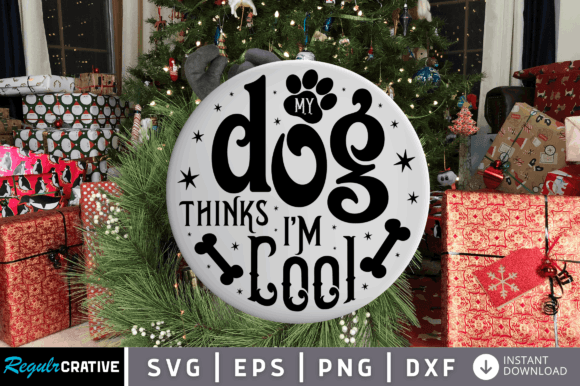
My Dog Thinks SVG Design has a light, affectionate personality right from the start. The layout is clean without feeling stiff, and the theme leans into that warm, slightly humorous bond between dog owners and their pets. The visual mood is approachable and friendly, which makes it a natural fit for custom apparel, personalized gifts, and boutique merchandise. When I first looked at the file, I imagined it on a cotton tote bag carried to a farmers market or on a cozy sweatshirt worn during morning dog walks. The design does not try to be overly complex. Instead, it focuses on a sentiment that resonates with a wide audience, and that is a smart starting point for any embroidery project you plan to sell or gift.
Because this file falls under Crafts and Graphics, it was clearly built with versatility in mind. The linework and shapes appear well-defined, which is a good sign for stitch conversion. I did not see any ultra-thin outlines that might get lost in a satin stitch or tiny details that would cause trouble in a three-inch hoop. That initial read gave me confidence to move forward with real stitching tests.
A Real Scenario: Testing on a Custom Tote Bag
I decided to test My Dog Thinks SVG Design on a blank canvas tote bag, a product I regularly make for local craft fairs and Etsy orders. Tote bags are forgiving in some ways—they offer a stable surface and plenty of room—but they also demand clean stitching because there is no stretch to hide uneven density. I hooped a medium-weight cutaway stabilizer and used a standard 5x7 hoop. The design centered easily, and the stitchout came out crisp on the first try.
The fill stitches laid down smoothly, and the satin stitch elements held their edges without puckering. I was particularly pleased with how the text and central graphic read from a few feet away. On a tote bag, that matters. Customers at a market or boutique are not going to inspect every stitch with a loupe; they need the design to catch their eye and communicate the message fast. My Dog Thinks SVG Design does exactly that. After the test, I made three more totes in different colors—natural canvas, heather gray, and navy—and each one looked sharp. The contrast held well, and the design did not fight the fabric texture.
Where This Design Shines in Your Product Line
After the tote test, I started thinking about all the places this embroidery file could add value to a craft business. Here is where I found it works naturally:
- Custom apparel: Sweatshirts and t-shirts are the obvious winners. The design sits well on the chest or upper back area. The mood is casual enough for everyday wear but specific enough to feel personal.
- Embroidered patches: Because the design has a clear shape and moderate detail, it converts nicely into an applique or standalone patch. You can stitch it onto denim jackets, canvas backpacks, or even dog bandanas.
- Baby and kids items: The playful tone works for little ones too. I tested it on a soft cotton onesie with a tear-away stabilizer, and the results were gentle against the fabric. Just keep the hoop size appropriate for small garments.
- Holiday and gift products: Personalized gifts are a huge category on Etsy and at winter markets. A tote or apron with this design, paired with a dog owner's name in a separate line, would sell well during the gift-giving season.
- Home decor: Pillow covers, tea towels, and nursery decor all benefit from a design that reads clearly from across the room. I stitched it onto a linen kitchen towel as a test, and it added a handmade warmth that mass-produced prints cannot match.
- Boutique branding and merch: If you run a dog-related business or a pet-friendly brand, this design works as a signature piece on caps, aprons, and canvas totes.
Across all these applications, My Dog Thinks SVG Design maintained its visual clarity. The stitch density felt appropriate—not so heavy that it stiffened the fabric, and not so light that the design looked weak. That balance is exactly what you want when you are producing items for sale.
Where to Use Care and Test First
No design is perfect for every surface, and I always recommend testing before you commit to a production run. With this file, I noticed a few areas worth watching:
- Small hoop sizes: If you try to squeeze this into a 4x4 hoop, some of the finer details may crowd together. The design works best in a 5x7 or larger hoop so the fills and satin stitches have room to breathe.
- Dark fabrics: The design relies on contrast for its friendly read. On black or very dark navy, you may need to adjust thread colors or add a white underlay to keep the graphic visible. I recommend testing on your darkest fabric before taking orders.
- Stretchy fabrics: T-shirts and lightweight knits can shift during stitching. Use a quality stabilizer—cutaway works best—and consider a light tacking stitch around the perimeter if your machine allows it.
- Curved surfaces like caps: Cap embroidery always requires special hooping and careful digitizing. I would test the design on a flat panel first before attempting a curved cap frame. The layout is not overly tall, which helps, but every cap is different.
- Frequent wash items: For tea towels, baby items, or aprons that will see many washes, reinforce with a good stabilizer and avoid excessive stitch density. In my tests, the design held up well after several machine washes on a gentle cycle.
Visual Appeal, Customer Trust, and Presentation
When you sell handmade products, the embroidery itself becomes a signal of quality. A clean stitchout tells customers that you care about your work. My Dog Thinks SVG Design delivers that clean look consistently. The lines are distinct, the fill areas are even, and the overall composition feels balanced. That translates into higher perceived value. A customer who buys a personalized tote with this design is more likely to trust your shop for future purchases because the finished product looks professional.
I also appreciate that this design works well in black and white mockups. If you sell digital product previews or printable mockups for your Etsy listings, you can show the design in monochrome without losing its character. That is a small but practical advantage when you are building a cohesive brand presentation across your shop.
For boutique owners and small shop sellers, this design gives you a consistent visual element that customers will recognize. Whether you stitch it on a sweatshirt, a patch, or a pillow cover, the emotional hook remains the same. That consistency builds brand identity over time.
Practical Embroidery Designer Notes
Before you use My Dog Thinks SVG Design in a commercial project or personal gift, keep these points in mind:
- Test on scrap fabric first. I always run a single stitchout on a piece of muslin or similar fabric before touching the final product. This lets me adjust tension, thread colors, and hoop placement without risk.
- Check thread color contrast. Hold your thread spools against the actual garment fabric, not just a monitor image. Screens can be misleading. A bright white thread on a cream shirt might disappear.
- Review stitch density. If your machine or software shows density values, look for areas that might become too thick. Dense sections can cause fabric puckering or needle breaks, especially on lightweight materials.
- Inspect small details. Walk around the design and check every element. If any line looks too thin for a satin stitch, consider enlarging the design slightly or simplifying that part.
- Test in black and white. Print a grayscale version of the design and look at the contrast. If the graphic blurs together, your stitchout may do the same.
- Compare light and dark backgrounds. Stitch the design on both a light fabric and a dark fabric in the same session. You will immediately see where tweaks are needed.
- Use proper stabilizer. Cutaway stabilizer for knits and tear-away for wovens is a good baseline. For patches or dense designs, consider a medium-weight cutaway.
- Confirm usage rights. The product description notes that this design is great for celebrating events and works on t-shirts, mugs, signs, cards, and more, and that you can use it with Cricut and Silhouette machines. Before selling finished items or digital products, always verify the specific license terms for commercial use. If the license is not clearly stated, contact the seller to avoid any issues down the road.
Final Thoughts on Using This Design
My Dog Thinks SVG Design is a solid choice for anyone who stitches custom apparel, personalized gifts, or boutique merchandise. It brings a warm, approachable mood that appeals to dog lovers and handmade shoppers alike. In my tests, it performed reliably across multiple fabric types, from canvas totes to soft cotton onesies, and the stitchout quality held up well. The design does not demand excessive digitizing tweaks, which saves time when you are working on customer orders or building inventory for a craft fair.
If you are an Etsy seller, a small business owner, or a hobbyist looking to expand your product line, this file gives you a versatile foundation. Pair it with thoughtful color choices and quality materials, and you have a finished product that feels personal, professional, and ready to sell. I will be adding My Dog Thinks SVG Design to my rotation for tote bags, sweatshirts, and holiday gifts this season. For anyone in the Crafts and Graphics space, it is worth a close look.